

The Only Gingerbread Cookie Recipe You’ll Ever Need
Looking for a go-to gingerbread cookie recipe? This is the only one you’ll need for the season. The dough is easy to work with, the cookies bake up with lightly crisp edges and soft, tender centers, and the classic decorating icing dries hard enough to stack without smudging. If you’ve ever had gingerbread cookies turn out too hard, too puffy, or too bland in the past, look no further.
These smell like Christmas morning before they even come out of the oven, they hold their shape beautifully for decorating, and that warm combination of ginger, cinnamon, and molasses is impossible to replicate with anything else.

Why This Gingerbread Cookie Recipe Works
- The spice ratio is balanced, not overpowering. A full tablespoon of ginger gives these cookies their signature warmth, while a smaller amount of cinnamon and just an eighth of a teaspoon of cloves round things out without turning bitter or medicinal.
- Two sugars, one texture goal. Light brown sugar keeps the cookies moist and adds a soft caramel note, while granulated sugar helps the edges set up with a little bit of crispness.
- Chilling happens twice. The dough chills before rolling and the cut cookies chill again before baking. That second chill is the part most recipes skip, and it’s the reason these cookies keep their crisp, defined edges instead of spreading into blobs.
- The icing is genuinely easy. No candy thermometer, no royal icing drama. Just powdered sugar, meringue powder, vanilla, and water, beaten until glossy.

If you’re in the baking mood, cry out some of my other favorite seasonal bakes like these holiday cardamom tea cakes, or this pumpkin coffee cake.
A Few Notes on Ingredients
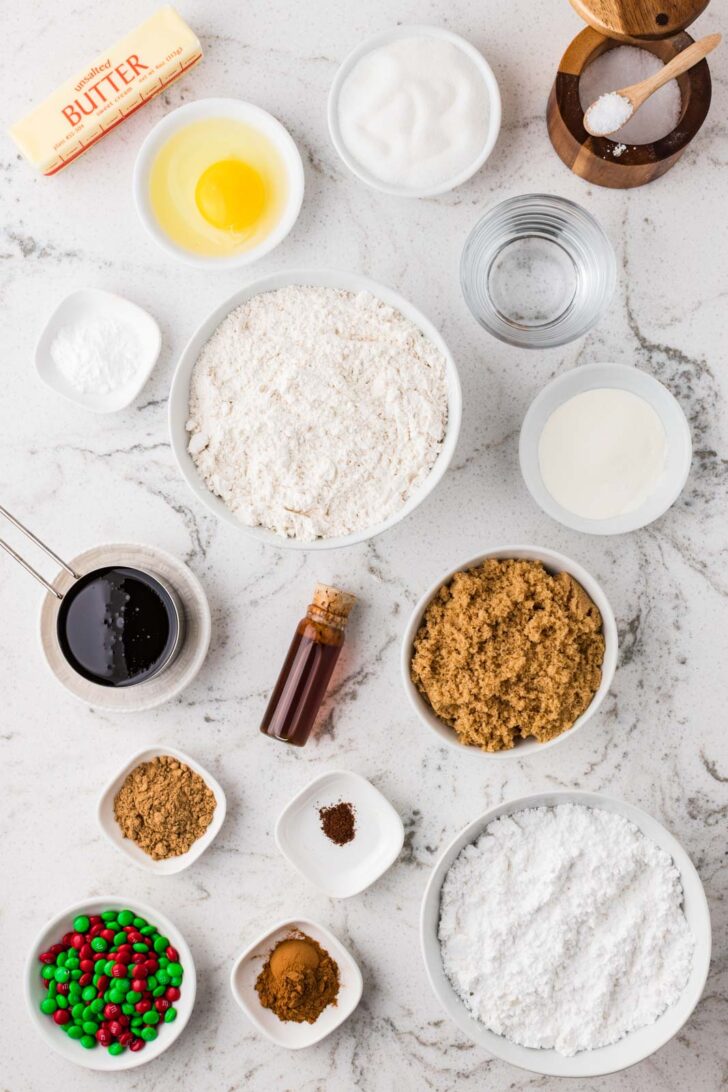
Ginger. Stick with ground ginger here rather than fresh. Fresh ginger adds moisture the dough isn’t built for, and it can throw off the texture.
Cloves. A little goes a long way. Cloves have a strong, almost peppery warmth, so this recipe intentionally uses a small amount to support the ginger and cinnamon rather than compete with them.
Molasses. Regular or dark unsulphured molasses is what you want. Blackstrap molasses is more bitter and intense, and it will throw off the classic gingerbread flavor most people are expecting.
Salt. This recipe calls for kosher salt. If you only have fine table salt on hand, cut the amount down to ¼ teaspoon, since table salt is more concentrated by volume.
Meringue powder. This is what allows the icing to dry firm enough to stack and package without smudging. It’s sold in the baking aisle or online, and it’s worth having on hand for holiday baking in general. This is the one I use.

How to Make Gingerbread Cookies
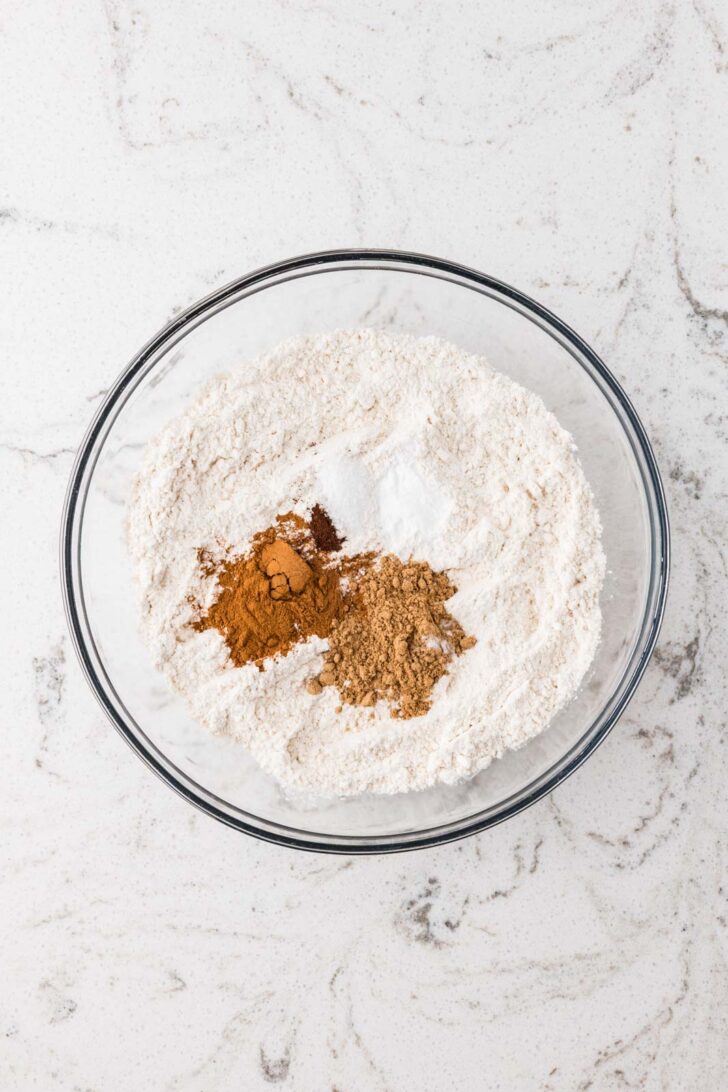
Step 1: Mix the dry ingredients. In a medium bowl, whisk together the flour, ginger, cinnamon, cloves, baking soda, and salt for about 30 seconds, until everything is evenly distributed. Set the bowl aside.
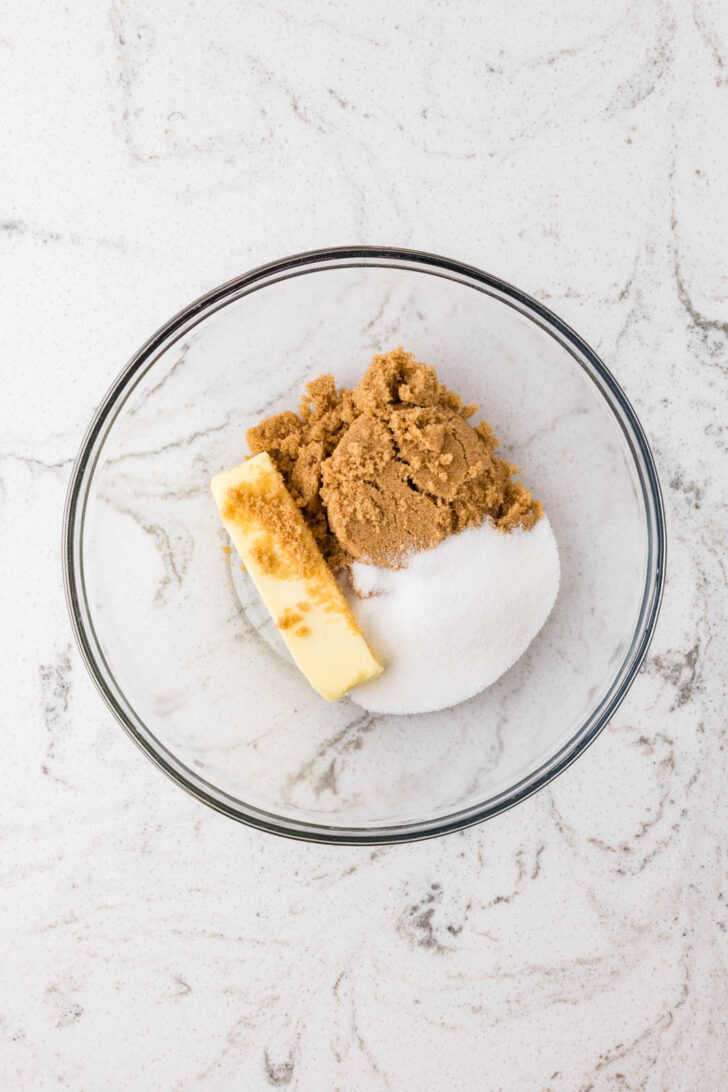
Step 2: Cream the butter and sugars. In a large bowl, beat the softened butter, brown sugar, and granulated sugar on medium speed for about 2 minutes, until smooth and creamy. Try not to overdo it here. You want the mixture smooth, not light and fluffy. Too much air in the dough at this stage can cause the cookies to spread more than you want.
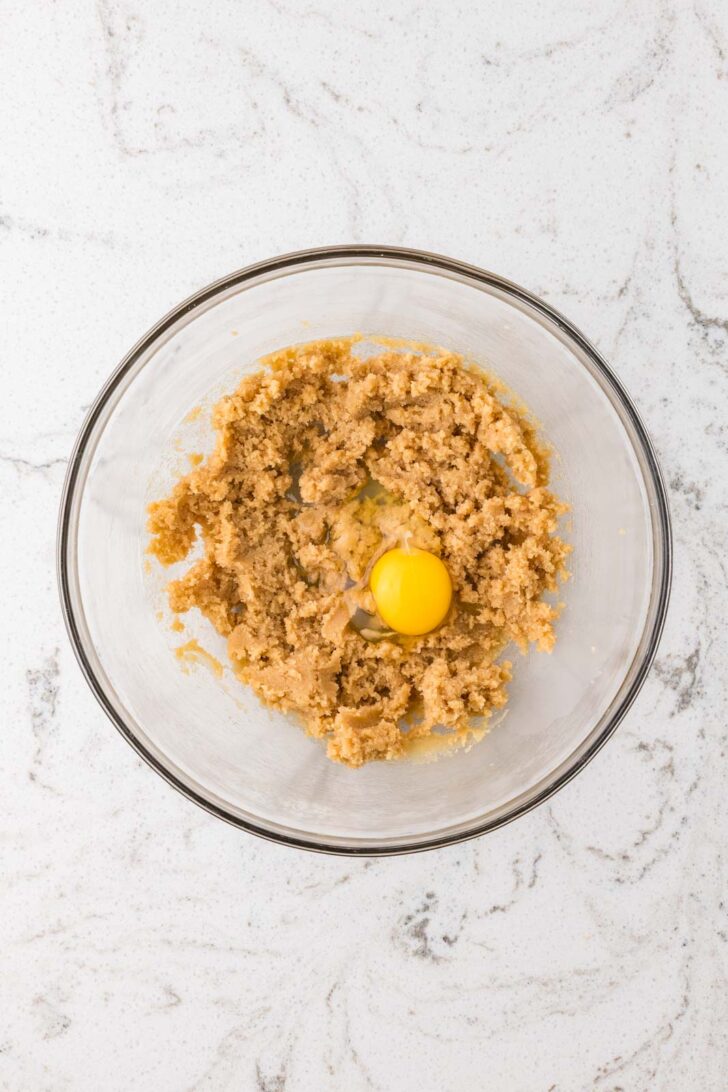
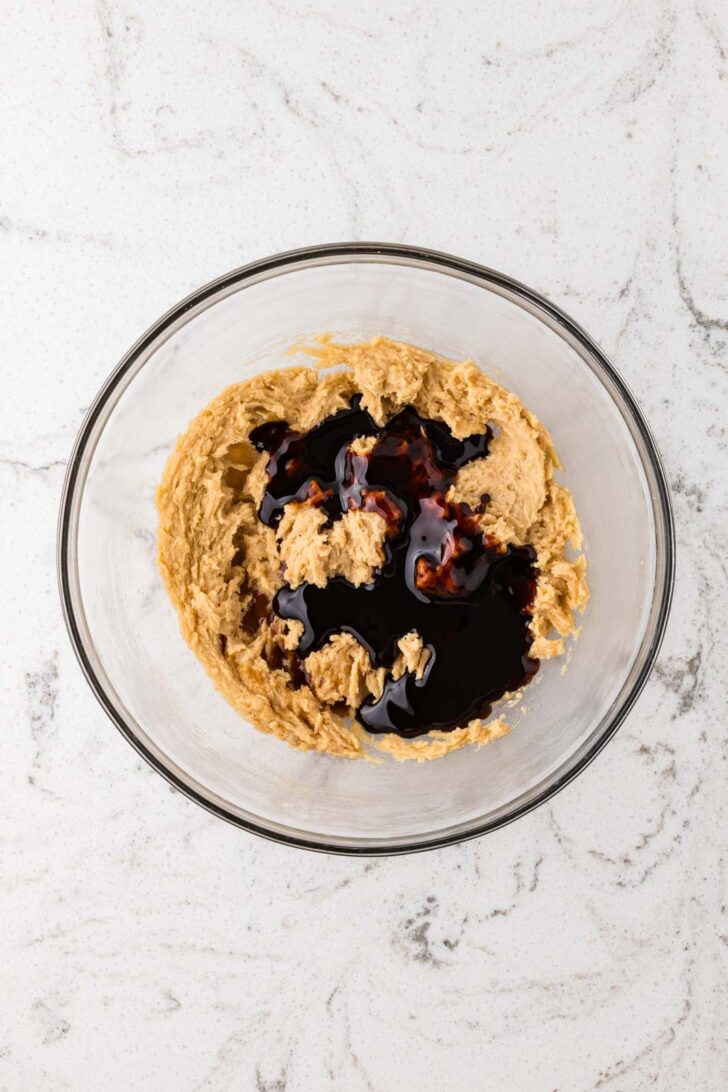
Step 3: Add the egg, molasses, and vanilla. Beat in the egg on medium-low speed until fully combined, then add the molasses and vanilla and mix until smooth. Scrape down the sides and bottom of the bowl so nothing gets left behind.
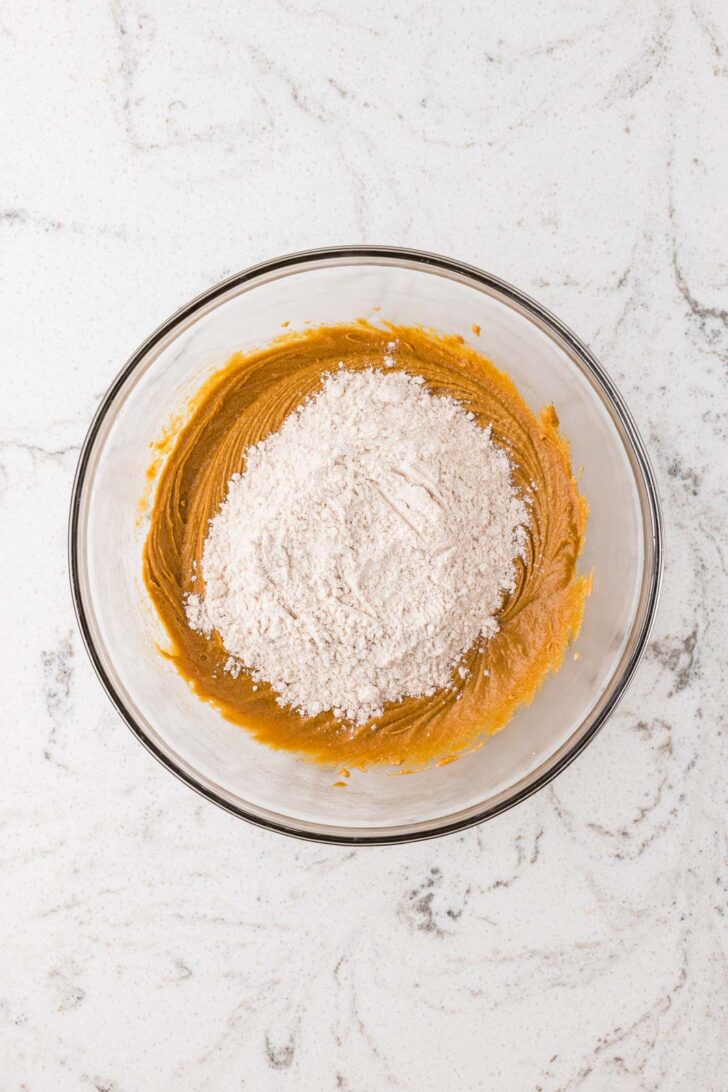
Step 4: Bring the dough together. Add the flour mixture in two additions, mixing on low speed after each one. Stop as soon as the dough is evenly combined with no dry streaks of flour left. Overmixing at this point can make the cookies tough.
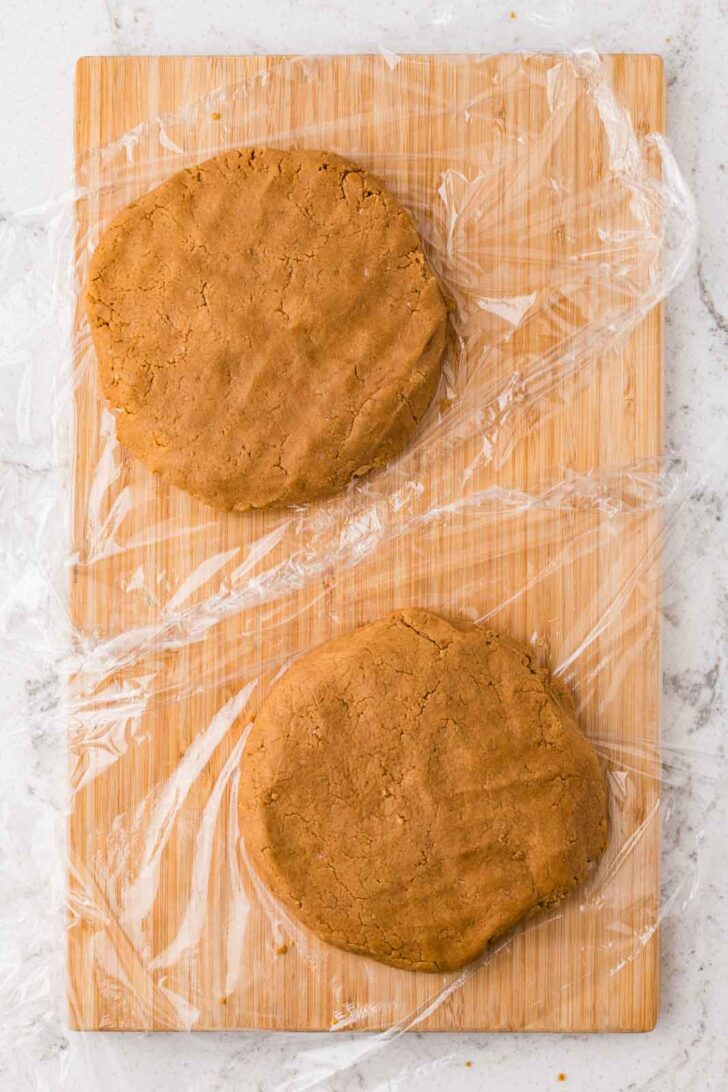
Step 5: Chill the dough. Divide the dough in half and shape each half into a disc about an inch thick. Wrap tightly in plastic wrap and refrigerate for 45 minutes to an hour, until firm but not rock hard. This first chill is what makes the dough easy to roll without sticking everywhere.
Step 6: Preheat and prep. Heat the oven to 350°F and line your baking sheets with parchment paper.
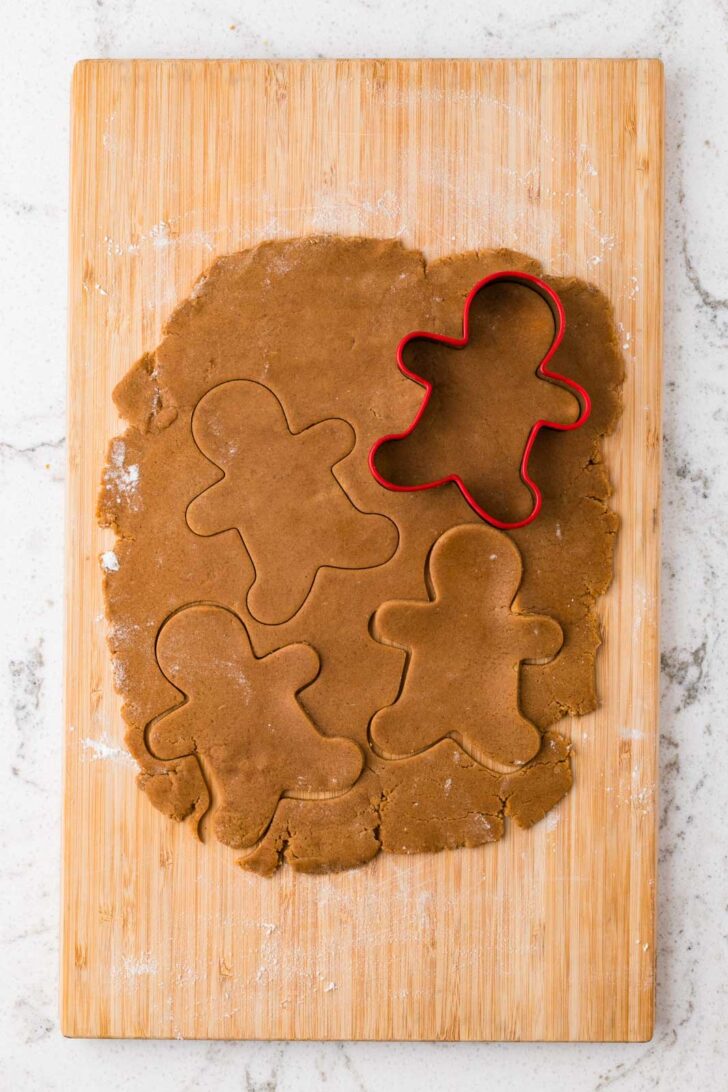
Step 7: Roll the dough. Take one disc out of the fridge. If it feels too stiff to roll, let it sit at room temperature for 5 to 10 minutes. On a lightly floured surface, roll the dough to a ¼-inch thickness.
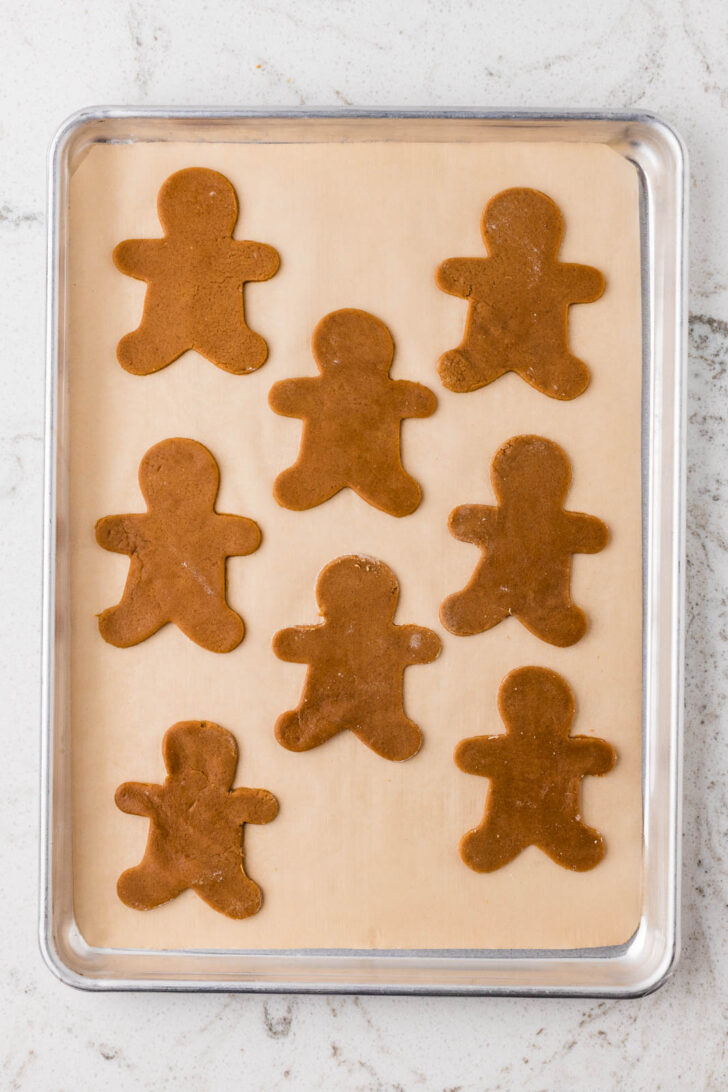
Step 8: Cut and chill again. Cut the dough with a 4-inch cookie cutter and place the cookies on your prepared baking sheets, spacing them about an inch apart. Reroll the scraps once and repeat with the second disc. Pop the cut cookies in the fridge for 10 minutes before baking. Don’t skip this step. It’s the single biggest factor in keeping your cookies from spreading in the oven.
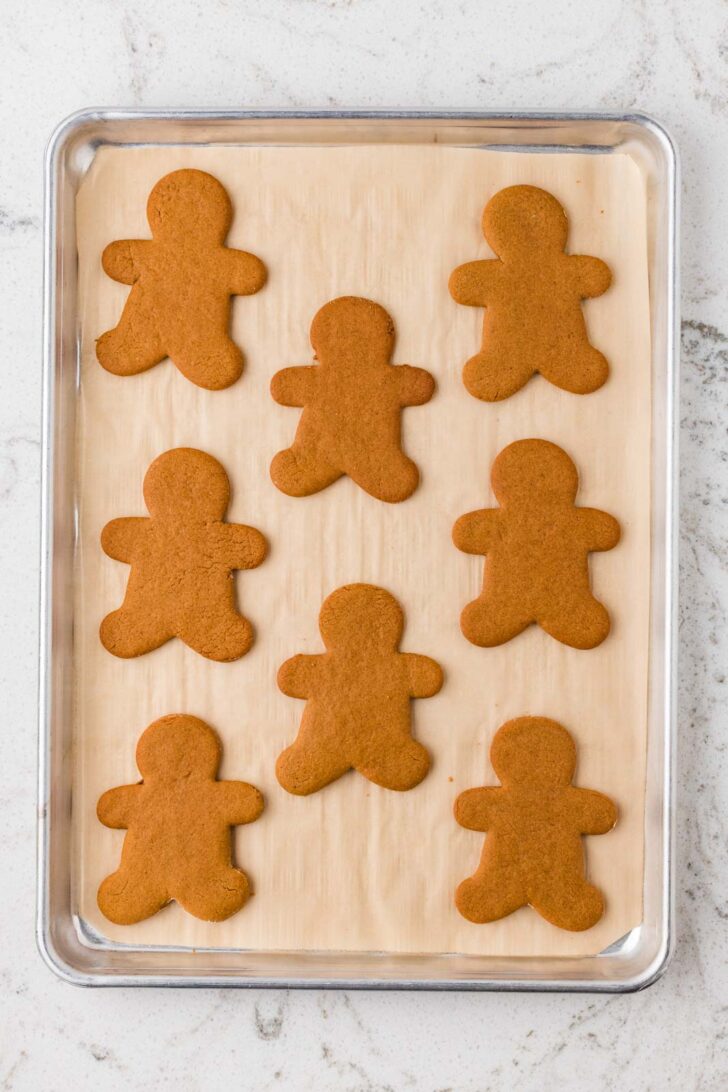
Step 9: Bake. Bake one sheet at a time for 11 to 13 minutes, until the edges feel firm and the centers look dry and matte rather than shiny. Let the cookies rest on the baking sheet for 5 minutes before transferring them to a wire rack to cool completely. They’ll firm up more as they cool, so don’t worry if the centers still feel slightly soft when they first come out.
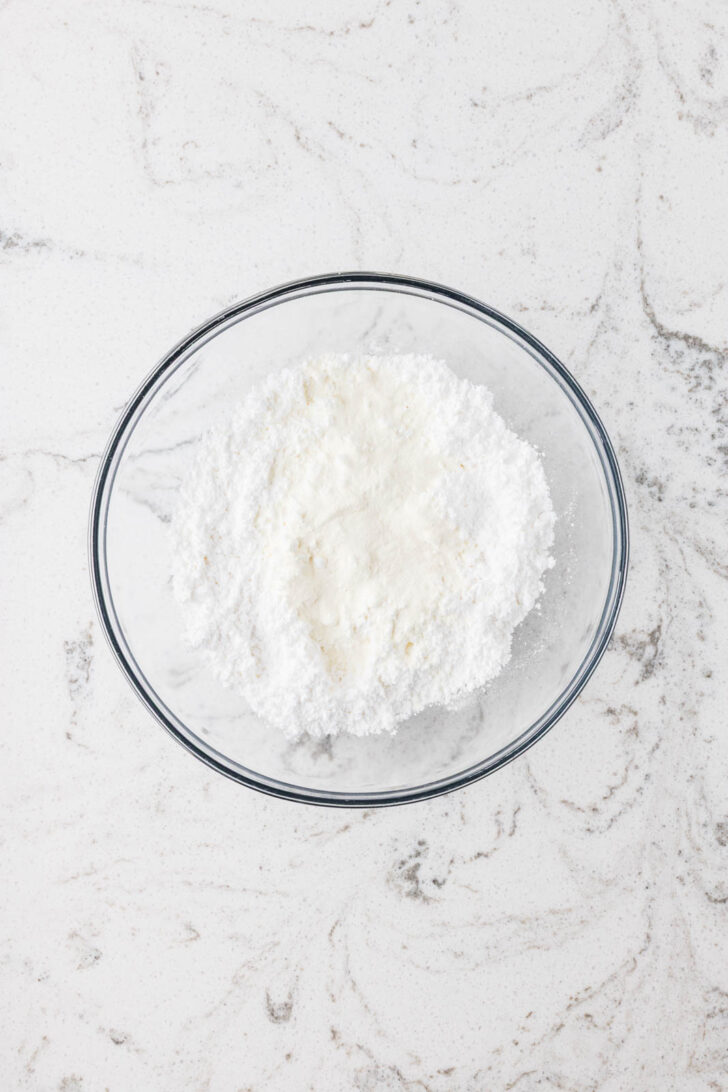
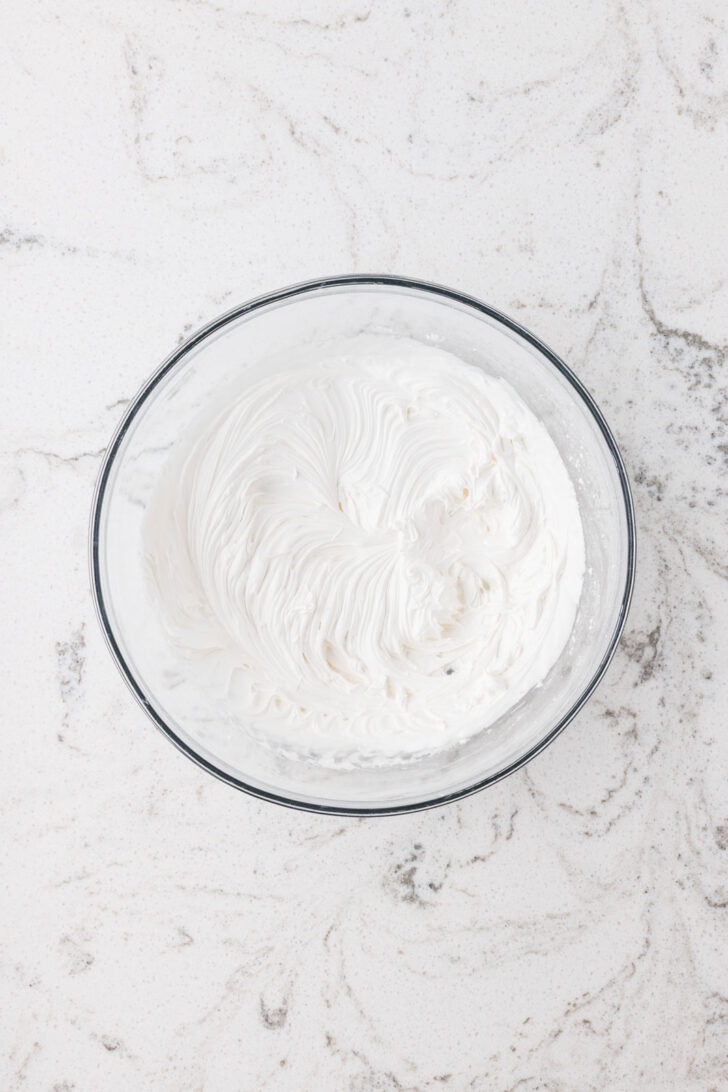
Step 10: Make the icing. In a clean bowl, combine the powdered sugar and meringue powder and mix briefly on low speed. Add the vanilla and warm water, then beat on medium speed for 3 to 4 minutes, until the icing is thick, smooth, and glossy. If it’s too stiff to pipe, add more warm water a half teaspoon at a time. It thins out fast, so go slowly.
Step 11: Decorate. Transfer the icing to a piping bag and decorate the fully cooled cookies. Press mini M&M’s into the wet icing while it’s still tacky. Let the decorated cookies sit uncovered for at least an hour, until the icing is completely firm, before serving or stacking.

Expert Tips for the Best Gingerbread Cookies
- Don’t skip either chilling step. It’s tempting to rush straight to baking, but chilling the dough before rolling and again after cutting is what keeps your cookies from puffing out and losing their shape.
- Roll to an even ¼-inch thickness. This gives you that classic combination of slightly crisp edges and soft centers. If you like a crunchier cookie, roll it thinner, but keep an eye on the bake time since thinner cookies cook faster.
- Make sure the cookies are completely cool before icing. Warm cookies will melt the icing and cause it to run right off the edges.
- Add water to the icing slowly. A little water goes a long way, and it’s much easier to thin icing out than to thicken it back up.

How to Store Gingerbread Cookies
Room temperature: Once the icing is completely firm, store the cookies in an airtight container at room temperature for up to a week. Layer parchment paper between the cookies to protect the decorations.
Refrigerator: Refrigeration isn’t necessary, but if you’d like to store them there, they’ll keep in an airtight container for up to 10 days.
Freezer: You can freeze undecorated cookies, or decorated cookies once the icing has fully hardened, in an airtight freezer container for up to 3 months. Layer parchment paper between them and thaw the cookies inside the closed container at room temperature so condensation doesn’t form on the icing.

Troubleshooting Common Gingerbread Cookie Problems
My cookies spread too much. This almost always comes down to skipping a chilling step, using butter that was too soft, or overmixing air into the dough during the creaming step. Stick to the chilling times in the recipe and stop mixing as soon as the dough comes together.
My cookies are too hard. Overbaking is the most common cause. Pull the cookies out as soon as the edges feel firm and the centers look matte, even if they seem slightly underdone. They continue to firm up as they cool on the pan.
My dough is too sticky to roll. Make sure the dough has fully chilled and hasn’t sat out too long. A light dusting of flour on your work surface and rolling pin also helps, but avoid adding too much extra flour, since it can dry out the finished cookies.
My icing is too thin and running everywhere. You’ve likely added too much water. Beat in more powdered sugar, a tablespoon at a time, until the icing thickens back up and holds a ribbon shape when you lift the beater.
My icing is too thick to pipe. Add warm water a half teaspoon at a time, mixing well between additions, until it loosens up enough to pipe smoothly.
Frequently Asked Questions
Can I use fresh ginger instead of ground ginger? It’s not recommended for this recipe. Fresh ginger adds extra moisture that can change the texture of the dough, while ground ginger delivers that classic warm flavor without throwing off the ratios.
Can I substitute blackstrap molasses? You can, but it’s not the best choice here. Blackstrap molasses is more bitter and intense than regular or dark unsulphured molasses, and it can overpower the other spices in the cookie.
Do I have to decorate these with icing? Not at all. These cookies are just as delicious plain, dusted with a little cinnamon sugar, or dipped halfway in melted chocolate if you want a simpler finish.
Can I make the dough ahead of time? Yes. The dough can be made, wrapped tightly, and refrigerated up to 2 days in advance. Let it sit at room temperature for a few minutes before rolling if it’s too firm straight from the fridge.
What can I use instead of mini M&M’s? Holiday sprinkles, cinnamon candies, or any small decorating candy will work just as well pressed into the wet icing.
Why does the recipe call for two kinds of sugar? Brown sugar adds moisture and a soft caramel flavor, while granulated sugar helps the edges set up with a bit of crispness. Using both gives the cookies a more balanced texture than either sugar alone.
Love this recipe? Please leave a 5-star ⭐️⭐️⭐️⭐️⭐️ rating in the recipe card below ⬇️ and/or a review in the comment section further down.
Hungry for more? Follow Suburban Simplicity on Facebook, Instagram, YouTube, and Pinterest to see more DIYs, recipes, and home tips!
Also, don’t forget to sign up for email!
I only send one email a week, and it’ll include my latest recipes, DIYs, and tips, information about exclusive “email only” giveaways, and more! See form below!
Want to subscribe to the Suburban Simplicity Recipe Club? It’s only $5 per month, and you’ll get ad-free PDFs of any new recipes that I post while supporting me at the same time! Join the club, here.

Classic Gingerbread Cookie Recipe
Ingredients
- 3 ½ cups all-purpose flour, plus more for rolling
- 1 tablespoon ground ginger
- 2 teaspoons ground cinnamon
- ⅛ teaspoon ground cloves
- 1 teaspoon baking soda
- ½ teaspoon kosher salt
- ½ cup unsalted butter, softened
- ¾ cup packed light brown sugar
- ⅓ cup granulated sugar
- 1 large egg, at room temperature
- ½ cup unsulphured molasses
- 2 teaspoons pure vanilla extract
For the Decorating Icing:
- 2 cups powdered sugar
- 1½ tablespoons meringue powder
- ½ teaspoon pure vanilla extract
- 3 tablespoons warm water, plus more if needed
- Red and green mini M&Ms

Equipment
- mixing bowl
- Piping bag
Instructions
- In a medium mixing bowl, add 3½ cups all-purpose flour, 1 tablespoon ground ginger, 2 teaspoons ground cinnamon, ⅛ teaspoon ground cloves, 1 teaspoon baking soda, and ½ teaspoon kosher salt. Whisk for about 30 seconds, until the spices and baking soda are evenly distributed. Set aside.
- In a large mixing bowl, add ½ cup softened unsalted butter, ¾ cup packed light brown sugar, and ⅓ cup granulated sugar. Beat with a hand or stand mixer on medium speed for 2 minutes, until smooth and creamy. Avoid beating until overly light and fluffy because too much incorporated air can cause the cookies to spread.
- Add 1 large egg and beat on medium-low speed until fully incorporated. Add ½ cup unsulphured molasses and 2 teaspoons pure vanilla extract, then mix until smooth. Scrape down the sides and bottom of the bowl as needed.
- Add the flour mixture to the molasses mixture in two additions, mixing on low speed after each addition. Stop mixing as soon as a firm, evenly combined dough forms and no dry streaks of flour remain.
- Divide the dough into two equal portions and shape each portion into a disc about 1 inch thick. Wrap each disc tightly in plastic wrap and refrigerate for 45 minutes to 1 hour, until the dough is cool and firm but not completely hard.
- Preheat the oven to 350°F. Line a few large baking sheets with parchment paper.
- Remove one dough disc from the refrigerator and let it sit at room temperature for 5 to 10 minutes if it feels too firm to roll.
- Lightly dust a clean work surface and rolling pin with some all-purpose flour. Roll the dough to a ¼-inch thickness.
- Cut the dough with a 4-inch cookie cutter and transfer the cookies to the prepared baking sheets, spacing them about 1 inch apart. Gather and reroll the scraps once, then repeat with the remaining dough disc. Refrigerate the cut cookies for 10 minutes before baking.
- Bake one sheet at a time for 11 to 13 minutes, until the edges feel firm and the centers look dry and matte. The centers should resist a light touch and should not look shiny or underbaked. Let the cookies cool on the baking sheet for 5 minutes, then transfer them to a wire rack to cool completely. The cookies will become firmer as they cool.
- Add 2 cups powdered sugar and 1 1⁄2 tablespoons meringue powder to a clean large mixing bowl. Mix briefly on low speed. Add ½ teaspoon pure vanilla extract and 3 tablespoons of warm water, then beat on medium speed for 3 to 4 minutes, until the icing is thick, smooth, and glossy. Add more warm water, ½ teaspoon at a time, only as needed to create an icing that is easy to pipe but still holds its shape.
- Transfer the icing to a piping bag and decorate the completely cooled cookies. Gently press red and green mini M&M’s into the wet icing as desired. Let the decorated cookies sit uncovered for at least 1 hour, until the icing feels firm, then serve and ENJOY!
Notes
- The combination of light brown sugar and granulated sugar gives these cookies a noticeable sweetness while keeping the warm molasses and spice flavors balanced.
- Use regular or dark unsulphured molasses for the best classic gingerbread flavor, and avoid blackstrap molasses because it can make the cookies taste bitter.
- Rolling the dough to an even ¼-inch thickness creates cookies with lightly crisp edges and pleasantly tender centers. Thinner cookies will bake more quickly and have a crisper texture.
- Chilling the dough before rolling and again after cutting is important because it helps prevent spreading and keeps the edges of the cookies defined.