

How To Make Creamiest Brown Sugar Rice Pudding For Two
There’s a reason people have been making versions of rice pudding for centuries. It’s one of those timeless, humble, and comforting desserts that is practically impossible to mess up. Nearly every culture has its own version, and most families have a preferred way of making it. Some like it thick and puddingy, others loose and creamy. Some add cinnamon and vanilla, while others lean toward citrus zest, cardamom, or golden raisins. No matter how you make it, rice pudding turns ordinary ingredients into something deeply satisfying. This creamy rice pudding recipe is a starting point for endless variations (see more ideas down below)! I developed this recipe for two people, but it easily doubles or triples if you want to make a big batch!
And speaking of desserts for two, my small-batch lava cake recipe is perfect for a mid-week sweet treat!
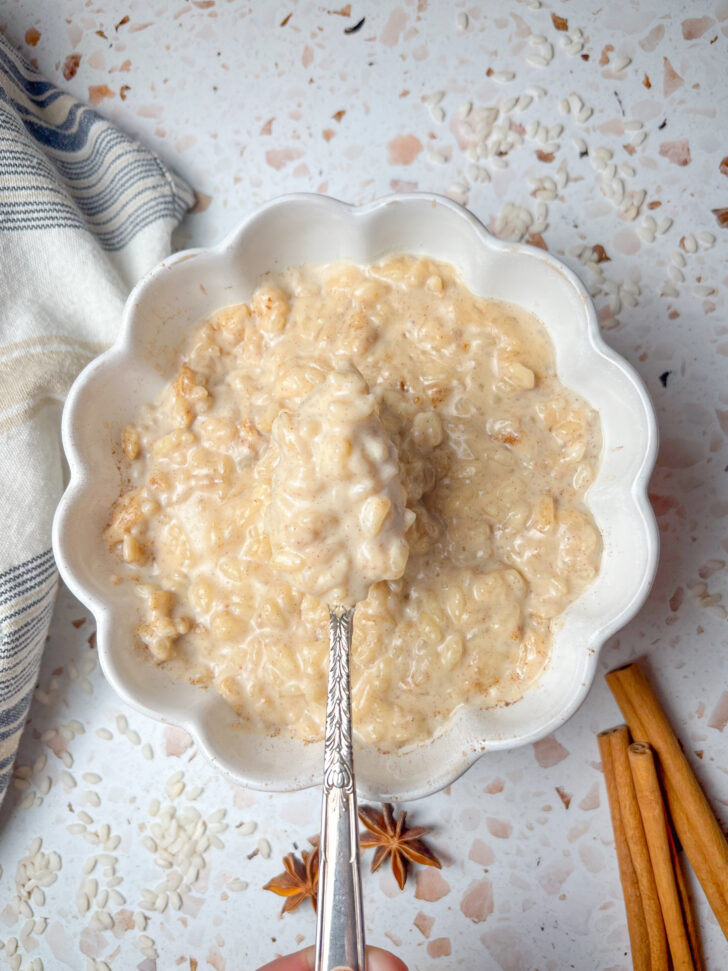
What Is Rice Pudding?
At its core, rice pudding is a creamy dessert made by slowly cooking rice with milk and sugar until the grains soften and release starch, creating a thick, sweet pudding. It is typically finished with flavorings like vanilla, cinnamon, nutmeg, or citrus zest. Some versions include eggs for richness, while others (like my recipe) rely solely on milk and starch for creaminess. This rice pudding recipe is pared down to the simplest iteration. I’m focusing on simplicity, easily accessible ingredients, and flavor.
Why Rice Pudding Is So Popular
- It’s affordable
- It uses ingredients most people already have on hand
- It’s naturally gluten free (check out this round-up of 25 naturally gluten-free desserts)
- It can be made dairy free or vegan with ease (see my notes about alternative types of milk, below)
- It works as dessert, breakfast, or even a snack
You can make it on the stovetop with a Dutch oven (my preference), in the oven, a slow cooker, or even in an electric pressure cooker. It is forgiving and adaptable, which makes it ideal for both beginner cooks and experienced home bakers.
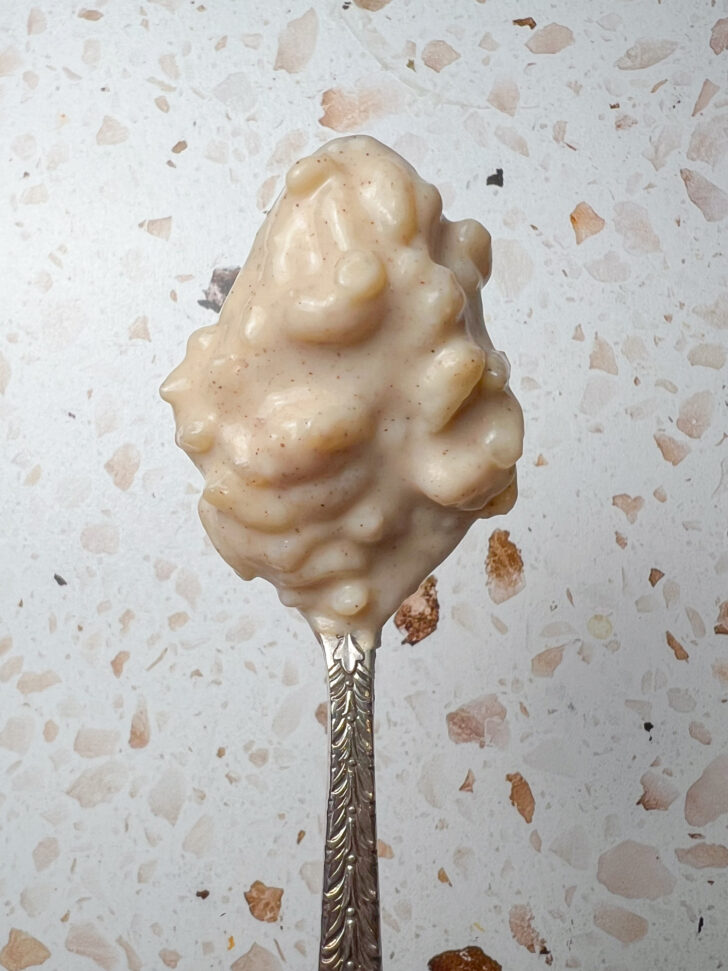
Choosing the Best Rice for Rice Pudding
Obviously, choosing the right rice is one of the most important decisions when making rice pudding. Different varieties produce different textures.
Short grain rice is often considered the best choice. It releases more starch as it cooks, which results in a naturally creamy pudding. Arborio rice, commonly used for risotto, was the easiest short grain rice for me to find.
Medium grain rice works well too and creates a slightly looser texture. Long grain rice can be used, especially if that is what you have on hand, but it tends to produce a less creamy result unless cooked longer or combined with an egg based custard.
Milk Options and How They Affect Flavor
Rice pudding (including this recipe) is typically made with whole milk, which provides richness and creaminess. Some recipes use a combination of milk and cream for an extra luxurious texture.
You can easily adapt rice pudding to suit dietary needs or preferences. Almond milk, oat milk, coconut milk, and soy milk all work, though each brings its own flavor and consistency. Coconut milk creates a richer, more tropical pudding, while almond milk produces a lighter result. In fact, I’ve used coconut milk for this particular recipe to make mango sticky rice!
When using non dairy milk, it helps to choose an unsweetened variety so you can control the sweetness. Some plant based milks are thinner than dairy milk, so you may need to cook the pudding slightly longer to achieve the desired thickness.
Sweeteners for Rice Pudding
Granulated sugar is the most common sweetener for rice pudding, but it is far from the only option.
Brown sugar (which is my personal preference) adds depth and a subtle caramel flavor.
Honey brings floral notes and pairs beautifully with cinnamon and vanilla. Maple syrup adds warmth and complexity, especially in fall and winter versions of rice pudding.
You can also reduce refined sugar by relying on naturally sweet mix ins like raisins or dates. Just keep in mind that sweetness tends to mellow as rice pudding cools, so it is best to taste and adjust at the end.
Flavorings That Make Rice Pudding Shine
The beauty of rice pudding lies in how easily it absorbs flavor. Warm spices like cinnamon, nutmeg, and cardamom are commonly used and feel especially comforting. This recipe uses just cinnamon and an optional pinch of cardamom. However, citrus zest, such as lemon or orange, can add a great balance to the richness of the milk.
For a more unique twist, you can experiment with rosewater, orange blossom water, or even a splash of espresso for a subtle coffee note.
Texture Preferences and How to Control Them
Everyone has a different preference when it comes to rice pudding. The good news is, the texture is fairly easy to control.
Texture of rice pudding comes down to three main factors:
1. The type of rice used
2. The ratio of liquid to rice
3. The cooking time
Cooking the pudding longer allows more starch to release, which thickens the mixture. Adding more liquid at the end can loosen it if it becomes too thick. Keep in mind that rice pudding thickens significantly as it cools, so it is better to err on the side of slightly loose while it is hot.
Common Rice Pudding Mistakes to Avoid
One of the biggest mistakes is cooking rice pudding over high heat. Rice pudding needs gentle, consistent heat to prevent scorching and uneven cooking. Rushing the process often leads to burnt milk on the bottom of the pot.
Skipping stirring is another pitfall. Rice can easily stick to the bottom of the pot, so regular stirring is essential, especially as the pudding thickens.
How to Serve Rice Pudding
Rice pudding can be served warm, at room temperature, or chilled.
Toppings add texture and visual appeal. A sprinkle of cinnamon, toasted nuts, fresh fruit, or a drizzle of honey can transform a simple bowl into something special.
Rice pudding also works beautifully as part of a dessert spread. It pairs well with cookies, fruit compotes, or even alongside baked goods like muffins or quick breads.
Storing and Reheating Rice Pudding
Rice pudding stores well, making it a great make ahead dessert. Once cooled, it should be stored in an airtight container in the refrigerator and enjoyed within three to four days.
As it sits, rice pudding will continue to thicken. When reheating, add a splash of milk and gently warm it on the stovetop or in the microwave, stirring frequently until creamy again.
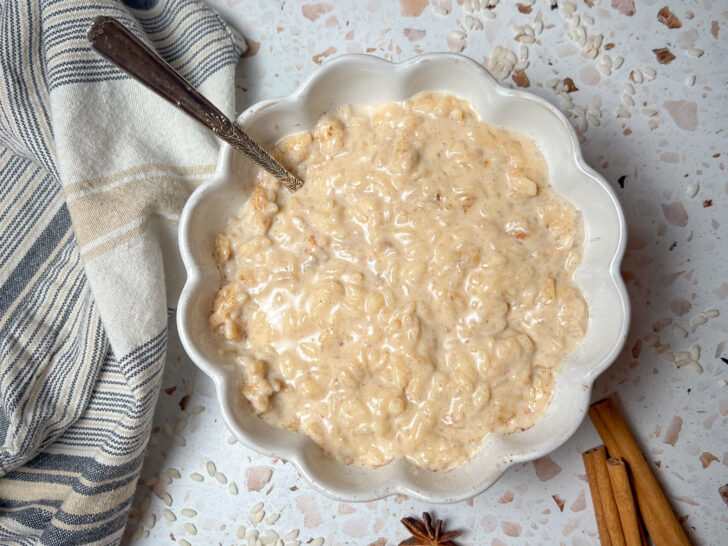
Frequently Asked Questions About Rice Pudding
Can rice pudding be made ahead of time?
Yes. Rice pudding actually improves in flavor as it sits. Just be prepared to add a little splash of milk when reheating.
Why is my rice pudding too thick?
Rice pudding thickens as it cools. Stir in more milk before serving to loosen it to your preferred consistency.
Can rice pudding be frozen?
Freezing is not ideal because the texture can become grainy when thawed. It is best enjoyed fresh or refrigerated.
Do I have to use whole milk?
No. Any milk can be used, though whole milk creates a creamier result.
Love this recipe? Please leave a 5-star ⭐️⭐️⭐️⭐️⭐️ rating in the recipe card below ⬇️ and/or a review in the comment section further down.
Hungry for more? Follow Suburban Simplicity on Facebook, Instagram, YouTube, and Pinterest to see more DIYs, recipes, and home tips!
Also, don’t forget to sign up for email!
I only send one email a week, and it’ll include my latest recipes, DIYs, and tips, information about exclusive “email only” giveaways, and more! See form below!
Want to subscribe to the Suburban Simplicity Recipe Club? It’s only $5 per month, and you’ll get ad-free PDFs of any new recipes that I post while supporting me at the same time! Join the club, here.
Creamy Brown Sugar Rice Pudding
Ingredients
- 3 cups whole milk
- 1 tsp vanilla extract
- 1/2 cup Arborio rice, or any short grain rice
- 1/4 cup brown sugar
- 1/4 tsp salt
- 1 tbsp unsalted butter
- 1/2 tsp ground cinnamon
- a pinch of ground cardamom, optional

Equipment
Instructions
- In a heavy bottomed pot or Dutch oven, pour in milk followed by all the other ingredients. Bring to a rolling boil over medium high heat.
- Lower the heat and simmer while stirring for 20 minutes, or until milk mixture has thickened to your desired pudding consistency.
- Taste the rice to make sure it has cooked through. If the rice is undercooked, add an extra 1/4 of a cup of milk and continue to simmer.
- Serve warm with any mix-ins and sprinkled with extra cinnamon, if desired.



Can you add raisins? My husband love them in his rice pudding!
Oh definitely! I love golden raisins in rice pudding! Add them in after the last step.